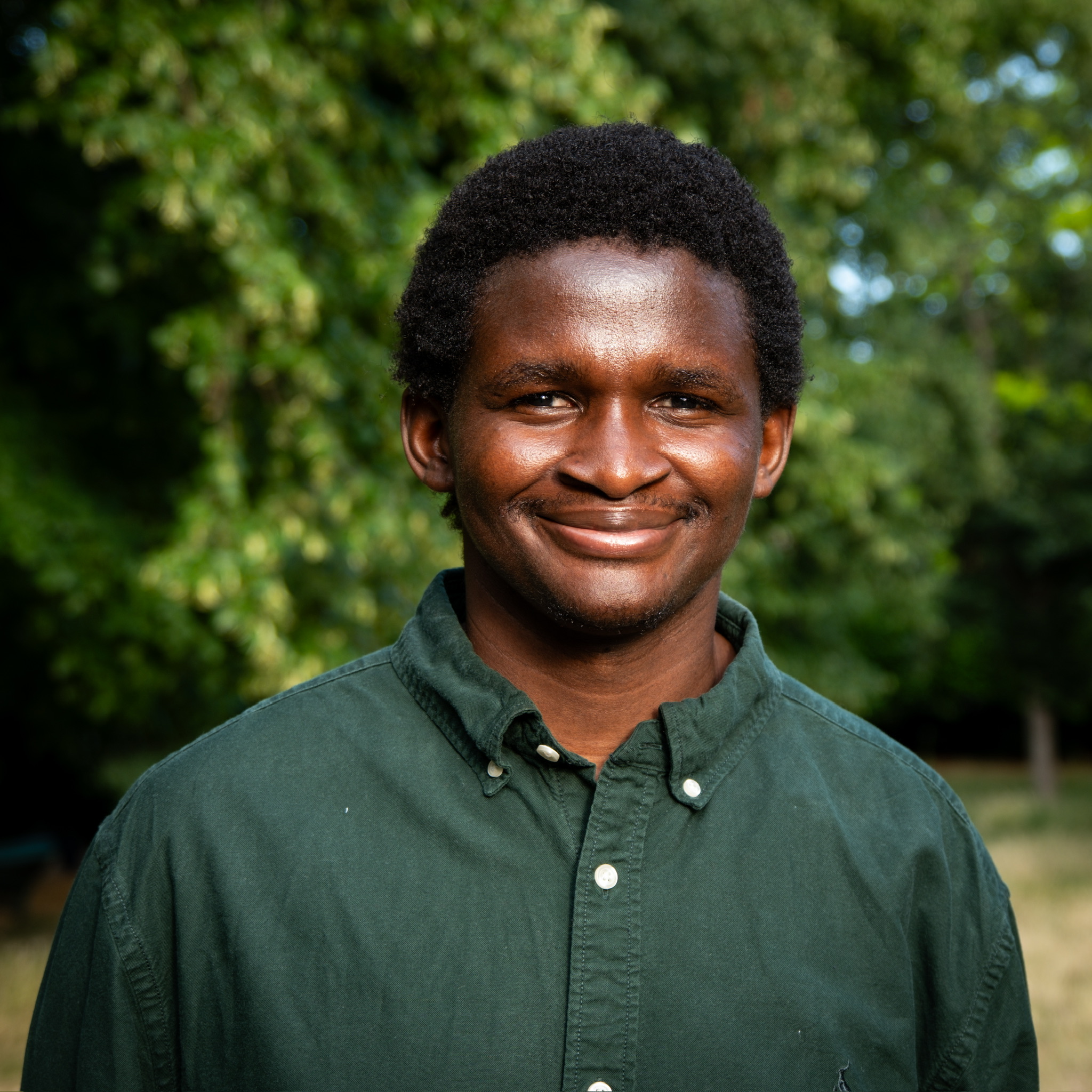
Ian is an engineer, researcher, and photographer. Or maybe photographer, researcher, engineer. The order depends on the day.
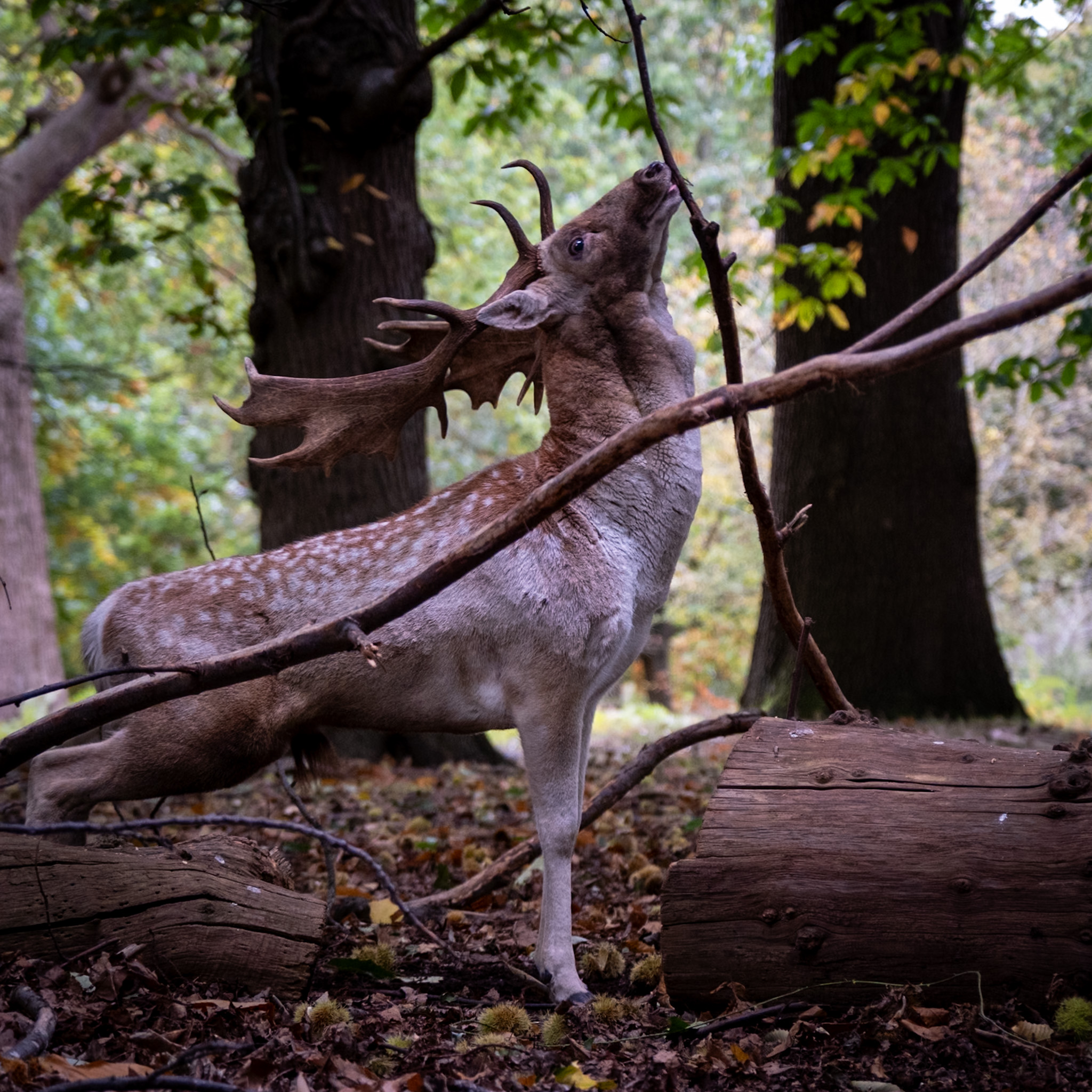
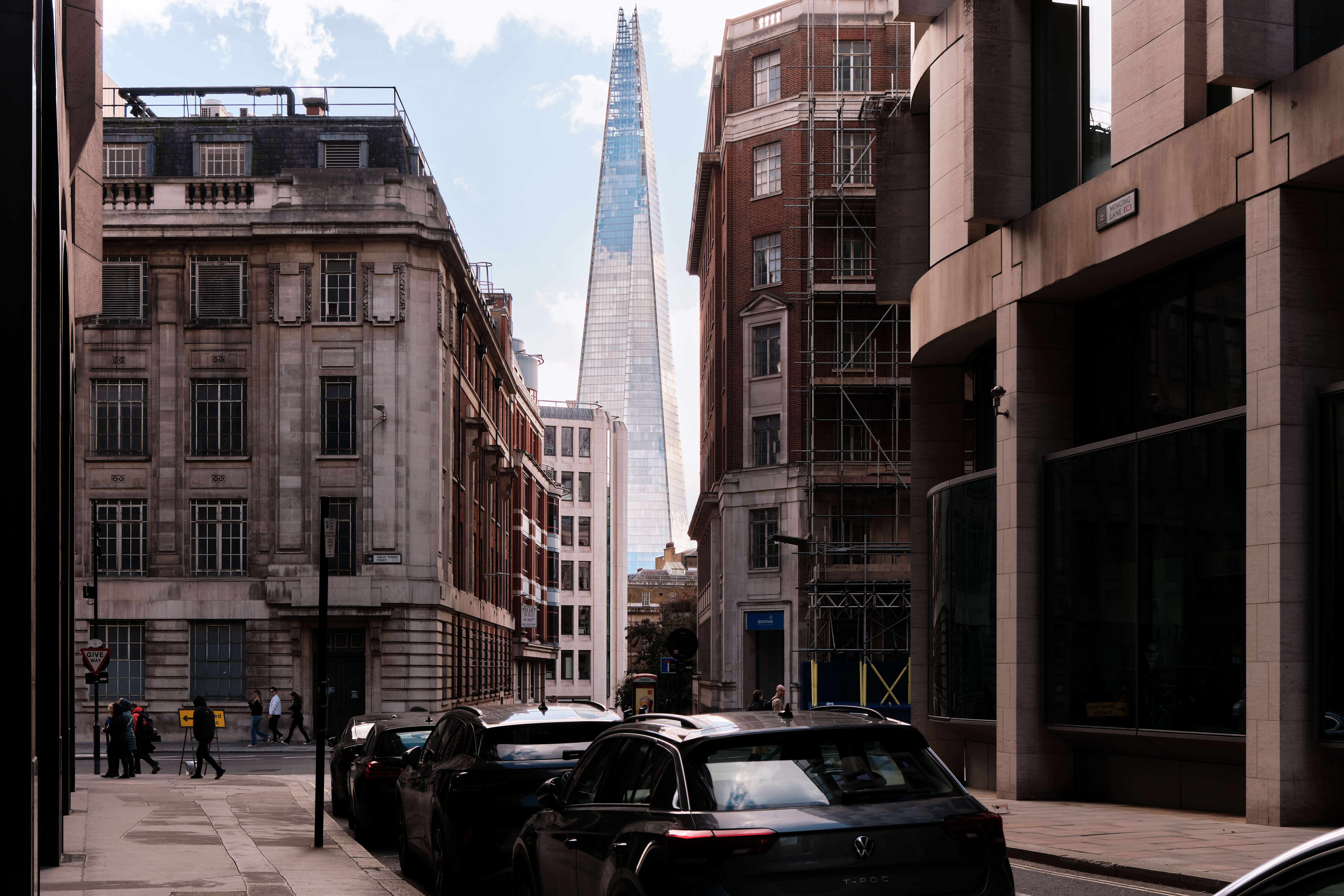
I spend my time analysing buildings that have stood for centuries while designing new ones that might, researching why fires behave unpredictably, and looking for the perfect frame, whether it's between a branch and a building or within the multiple visual narratives a single moment can hold. I'm based in London but can often be found wherever there's a story worth pausing for: The Shard rising between two centuries-old facades, framing past and future in a single glance, or a deer reaching skyward through autumn branches, asking questions I'm still learning to answer.
I tend to exist at the intersection of precision and uncertainty, where steel calculations meet soft light, where heritage meets innovation. It's the space where engineering creates room for human stories, where fire research asks philosophical questions, where a camera lens becomes a way of asking why this moment matters. This site is where I explore those questions: Experience, Photography, and the occasional thought demanding to be heard.
More about me here. If you'd like to connect, find me at email or on LinkedIn.

I am conducting independent research in structural and fire engineering under the remote supervision of Dr David Morrisset (University of Queensland). My work includes studying fire growth in complex fuel packages compared with idealised fire growth models, and leading an invited article for Fire Protection Engineering magazine on how uncertainty in experimental data affects design practice.
At Alan Baxter, a tier one civil and structural engineering consultancy in London, I worked on projects across the education, residential, commercial, cultural, and infrastructure sectors, including new, listed and nationally significant buildings. My role covered technical design and project delivery across RIBA stages 2-5. I have designed in concrete, steel, timber, masonry, and structural glass to Eurocodes, British and international standards, and I am proficient in a range of structural and civil design software.
Price & Myers is a civil and structural engineering consultancy based in London. As a placement student, I worked on projects ranging from multistorey buildings to heritage structures, contributing to the analysis and design of concrete, steel, and timber structures. I also developed finite element models using Robot Structural Analysis and Tekla Structures, gaining experience in both conventional and computational design methods.
At Arup, I worked on a structural fire engineering project involving finite element analysis of a multistorey building under various fire scenarios. I also helped develop fire strategies, undertook risk assessments for the use of combustible insulation in roofs, and performed radiation analyses to support external fire spread evaluations. This work strengthened my understanding of code-based and performance-based fire design, as well as computational modelling in fire engineering.
I worked on SFPE-funded research at the University of Edinburgh's Fire Research Centre examining uncertainty in furniture-scale fire testing. I managed 40 full-scale experiments, carried out data analysis, and contributed to several publications, including a paper that received the 2025 Jack Bono Award for Engineering Communication.
As a placement student, I contributed to the development of fire strategies, performance-based design assessments, and regulatory reviews. My work included supporting design analysis, external fire spread evaluations, and third-party fire strategy reviews for approval. This experience formed the foundation of my understanding of code-based design and strengthened my grasp of performance-based fire engineering within the UK regulatory framework.
Structural Engineering with Architecture
Experiments were conducted to illustrate the influence of experimental conditions on the statistical variation observed for furniture-scale calorimetry. Commercially available upholstered chairs were independently assessed using different ignition techniques, both with and without the presence of a wall corner. For each experiment, heat release rate (HRR), carbon monoxide/carbon dioxide yields, and heat fluxes from the fuel package were compared. Measurements made were used to link the burning behaviour to physical occurrences and to contextualize the variability between trials. The time resolved HRR and emission yields were found to be largely unaffected by the presence of a wall corner, while the radiant heat flux from the item was increased. Both the HRR and CO yield in time showed a dependence on ignition location. These differences were, however, contextualized through the use of key events that drive the burning process and global burning regimes. Further statistical analysis is conducted on specific metrics (e.g., peak HRR, total heat release, average species yields) to illustrate the similarity between these global metrics across each configuration. Statistical uncertainty is then quantified as a function of trials, providing a means to determine the gain in statistical confidence with increasing trials.
A series of trials were conducted to investigate the repeatability of furniture-scale calorimetry experiments. Twenty-five identical upholstered chairs were ignited under the same experimental conditions. Experimental results of heat release rate (HRR), mass loss rate (MLR), and emission yields (CO, CO2, N2O, NO, CH4, HCN) are presented. Discrepancies were observed between the time resolved evolution of the various recorded data. However the development of each fire was observed to be tied to common events. By accounting for these events, a more consistent representation of the burning behaviour can be expressed. Each experiment displayed distinct burning regimes (i.e., pyrolysis, flaming, and smouldering) which were identified through visual observation and through analysing the emission data. Some species yields were found to be approximately constant over some burning regimes (e.g., CO2 yield over the flaming regime) while others displayed highly transient behaviour (e.g., CO yield was found to be burning regime dependent). Results from upholstered furniture scale experiments, including HRR and emission yields, are commonly used in various engineering applications; this study lends insight into the variability that can be observed for such data and the implications in applying this data in further analysis.
Role: Leading the writing and conducting additional analysis not yet presented in previous publications.
This article examines how experimental variability and uncertainty in fire test data impact engineering design decisions, providing practical guidance for practitioners on incorporating data uncertainty into performance-based design.
Professional magazine article discussing practical considerations when applying heat release rate data from experimental testing to real-world fire engineering design problems.
Conference paper exploring how environmental and procedural factors affect the reproducibility of furniture fire test results.
Presented research findings on experimental variability at the SFPE International Conference. Discussed statistical methods for quantifying uncertainty in fire test data and implications for performance-based design.